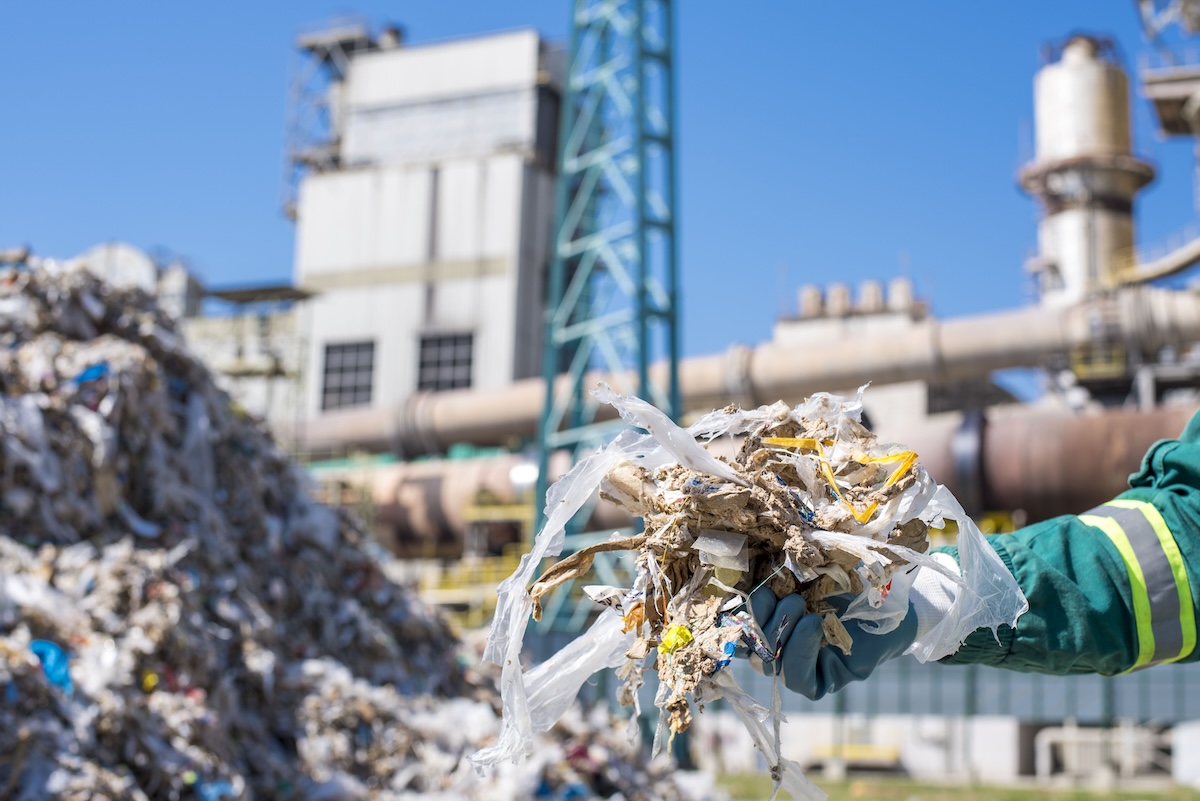
Proper waste segregation in the corporate environment is not only an environmentally friendly approach, but also a step towards a more sustainable business. In this article, we will explore the importance and benefits of proper waste segregation in work environments. From implementing simple sorting systems to educating employees, we will discover effective ways a company can contribute to protecting the environment while improving its environmental impact.
Basic duties
In the basic duties of waste sorting in the company we focus on the following points:
1. Correctly classify waste according to the waste catalogue
The company should have precise guidelines for classifying waste according to the current waste catalogue to ensure that it is sorted correctly and efficiently.
2. Collect waste sorted by waste types
Each type of waste should be systematically collected in separate containers or areas to facilitate subsequent treatment and recycling.
3. Collect hazardous wastes separately according to their types
Hazardous waste should only be collected separately from general waste and in accordance with regulations regarding the handling of hazardous substances.
4. Label them in the specified manner, draw up an ILNO (hazardous waste identification sheet)
Each container of hazardous waste should be clearly labelled and an identification sheet containing information on the nature and quantity of the waste must be available.
5. Hand over the waste only to a person authorised to handle the waste
The company must ensure that all waste is handed over to licensed waste handlers who are able to recover or dispose of it properly.
6. Keep and maintain records of the types and quantities of waste
Tracking and storing information on the types and quantities of waste produced allows a company to effectively plan and adjust its environmental efforts.
7. Report data from the register to the competent authority of the state administration of waste management
The company is required to systematically report information on its waste production to the relevant government waste management authorities to ensure compliance with environmental regulations.
Mixed municipal waste (20 03 01)
Mixed municipal waste is a combination of different materials that are not systematically sorted. This includes waste from households and public places where different types of materials are mixed together.
These include:
- food contaminated packaging,
- copy paper, fax paper, cellophane and wax paper,
- wrappers from sweets, biscuits (bars, crisps, etc.),
- toiletries, etc.
It does not belong here:
- hazardous waste, construction waste, electrical waste, bio-waste, etc.
Plastics (20 01 39)
Plastic waste includes different types of plastics, from packaging and bottles to complex products. Recycling it is key to reducing the environmental burden and promoting more sustainable materials management.
These include:
- plastic drink bottles (we recommend to squeeze/reduce the volume)
- cleaning agents
- packaging foils
- plastic bags, buckets, baskets, crates, bandanas
- food packaging, etc.
- rinsed plastic food packaging “tegliky”
It does not belong here:
- soiled plastic packaging
- toiletries
- milk cartons
Paper (20 01 01)
Paper waste includes newspapers, packaging and office paper, and its proper sorting enables efficient recycling and conservation of natural resources. It also promotes sustainable management of forest and paper materials.
These include:
- newspapers, office paper, notebooks, catalogues, letters, envelopes, leaflets, drawings, posters, postcards, folders, crepe paper, wrapping paper
It does not belong here:
- soiled paper (food, paint)
- copy paper, fax paper, cellophane and wax paper, toiletries
E-waste
E-waste includes obsolete electronic equipment such as refrigerators, televisions and mobile devices. Its proper recovery is critical as it contains materials that can be harmful to the environment, but also valuable raw materials that can be recycled. By recycling e-waste, we protect the environment and maximise the use of electronic resources.
E-waste (20 01 35 N)
These include:
- electrolyte that contains hazardous particles
- refrigerators, TVs, air conditioners, etc.
It does not belong here:
- electrical and electronic devices and equipment, appliances, computer and office equipment, mobile phones, lamps, electric motors, hand power tools, electronic toys, etc.
E-waste (20 01 36 O)
These include:
- an electrolyte that does not contain hazardous particles
- electrical and electronic devices and equipment, appliances, computer and office equipment, mobile phones, lamps, electric motors, electric hand tools, electronic toys, etc.
It does not belong here:
- refrigerators, air conditioners, televisions
Hazardous waste
Hazardous waste is characterised by its capacity to cause damage to human health or the environment. There are many types of hazardous waste, which are often classified according to their composition or origin.
13 01 10 N Empty packaging
These include:
- non-chlorinated mineral hydraulic oils that are enclosed in a container
It does not belong here:
- empty used containers
What to do with them:
- such waste belongs to catalogue number 10 01 10 N (Packaging containing residues of hazardous substances or contaminated with NL)
13 02 05 N Empty packaging
These include:
- non-chlorinated mineral engine, gear and lubricating oils which are enclosed in a container
It does not belong here:
- empty used containers
What to do with iti:
- such waste belongs to catalogue number 10 01 10 N (Packaging containing residues of hazardous substances or contaminated with NL)
15 01 10 N Empty packaging
These include:
- packaging containing NL residues or contaminated with hazardous substances
It does not belong here:
- full unused containers
15 02 02 N
These include:
- absorbents, filter materials including oil filters not otherwise specified, cleaning rags, protective clothing contaminated with NL
- used absorbents, rags, gloves
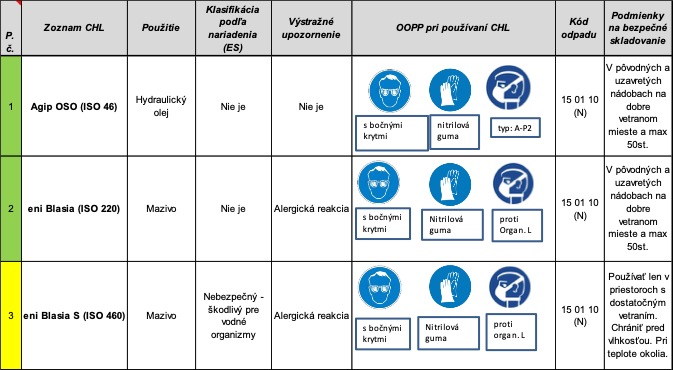
How do we determine the classification of chemicals?
The SDS is a standardised document containing information on the safe use, storage, handling and disposal of chemicals and mixtures. This document is an essential tool for providing comprehensive information on chemical products and their safety aspects.
The MSDS contains detailed information on the physical, toxicological, environmental properties and other aspects of chemical substances and mixtures. It provides users with the necessary information for the safe use and handling of these materials.
The MSDS provides the necessary information for the safe handling of chemical substances or mixtures for a variety of users, including manufacturers, distributors, employees in their use and, ultimately, end consumers. This information includes recommendations on packaging, storage, handling and disposal.
Autor: Ing. Katarína Šuranová